In an age of high-speed cartoons and constant scrolling, there is a quiet power in the human voice that technology simply cannot “animate.”
The “Video Deficit” Explained
Source: Mayo Clinic / American Academy of Pediatrics
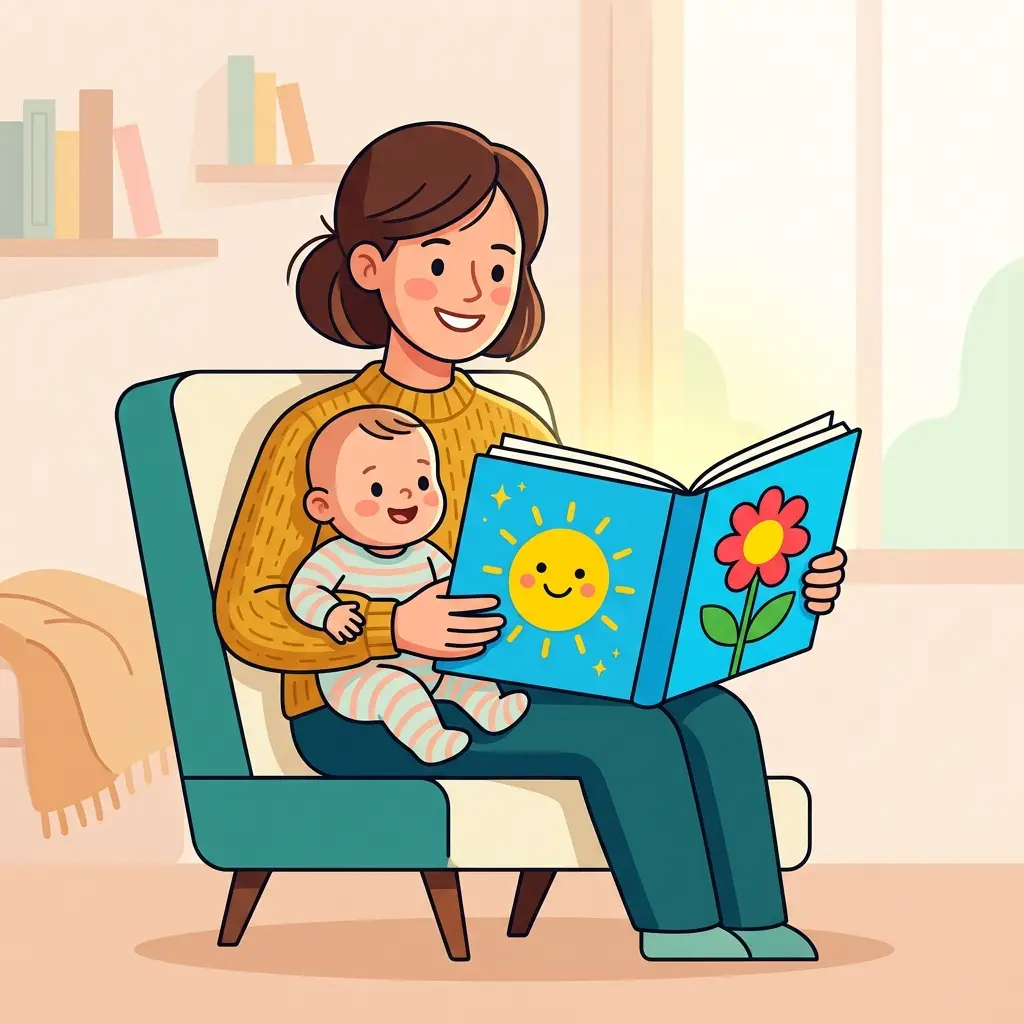
Developmental psychologists have long studied the “Video Deficit”—a phenomenon where children under the age of 2 or 3 learn significantly less from a video than from a live, interacting human.
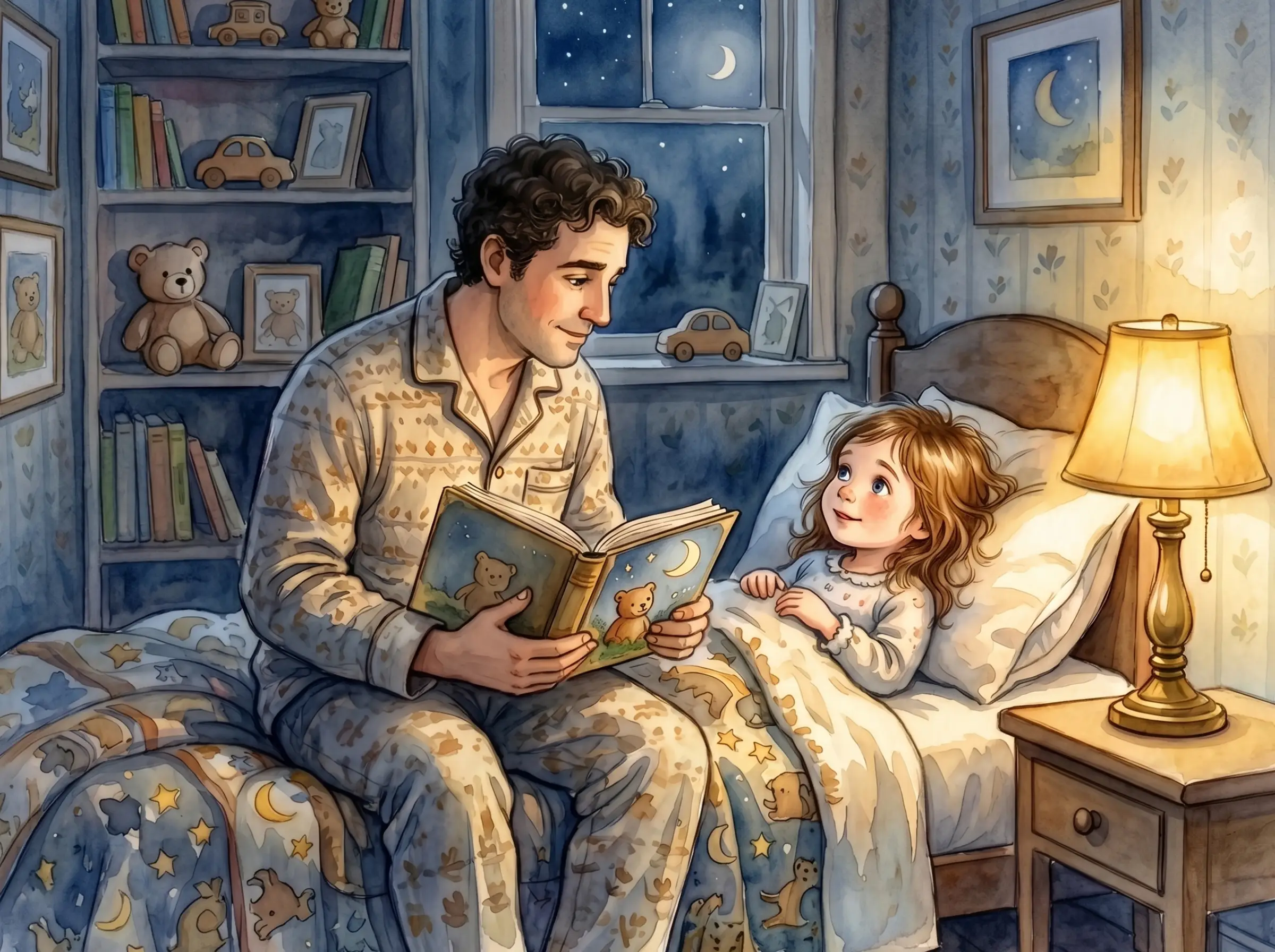
Videos are “passive consumption.” The brain gets a dopamine hit from the movement, but it doesn’t have to work to visualize the world. Storytelling, on the other hand, is “active creation.” When you read, the child’s brain is feverishly building its own sets, costumes, and characters.
“The screen is a barrier; the voice is a bridge.”
Audio-First Learning: A Brain Hack
When we remove the screen and focus on the audio, we activate the child’s auditory processing and imagination centers simultaneously.
Source: Psychology Today / Narrative Psychology Research
Hearing a familiar voice narrating a story—especially a parent’s voice—triggers the release of oxytocin, the “bonding hormone.” This makes the learning process not just educational, but emotionally grounding.
Modern Tools for Screen-Free Bonds
At HuggleTales, we believe technology should be a bridge, not a barrier. Our app is designed to support a screen-free environment:
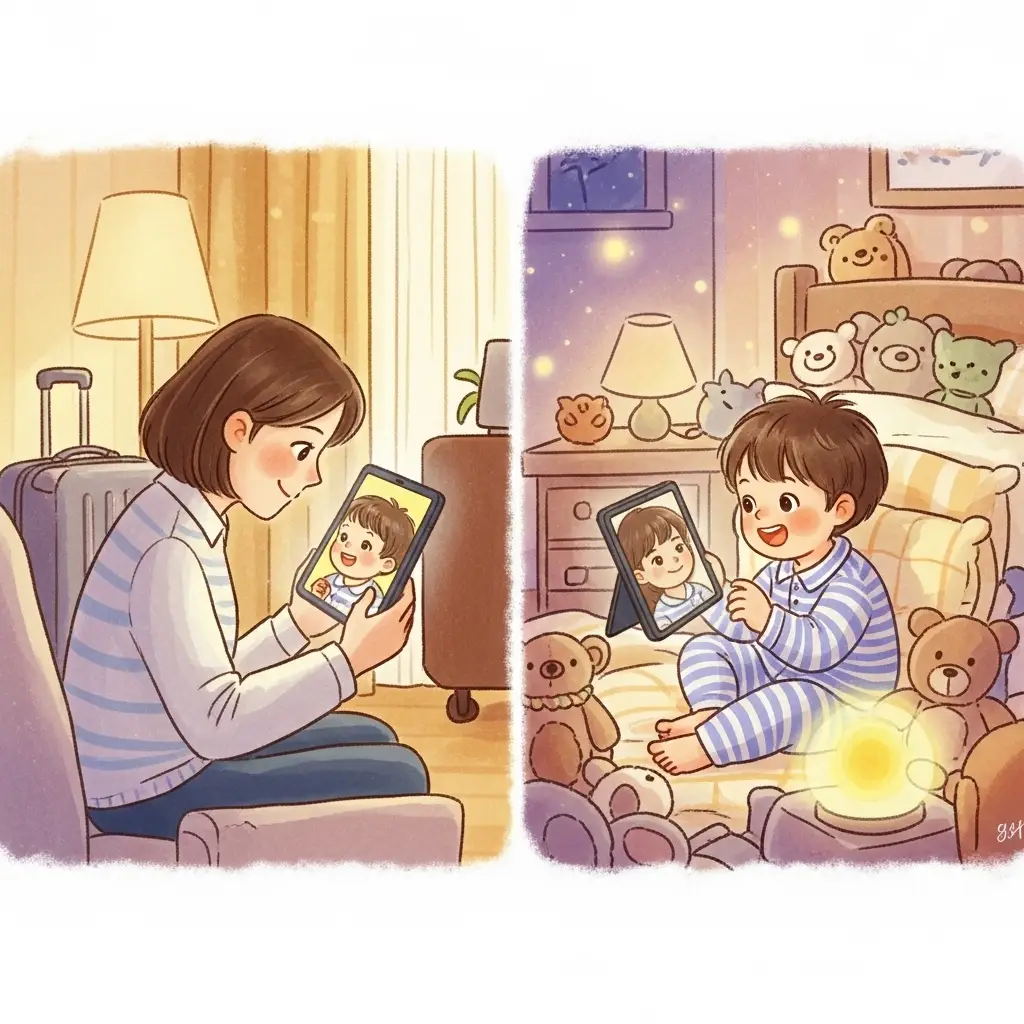
- Voice Cloning: Let your child hear you tell the story, even if you are just in the next room or traveling.
- Idea Generator: Instead of “scrolling” for ideas, our generator gives you prompts for questions and activities to keep the session interactive.
- Audio-Only Mode: We encourage starting the story and then laying the phone face-down, letting the magic happen entirely in the mind’s eye.
Create Memories, Not Screen-Time
The takeaway is simple: your voice provides a depth of connection that no high-budget animation can match. By choosing audio-first storytelling, you are giving your child the ultimate cognitive gift: the ability to imagine.