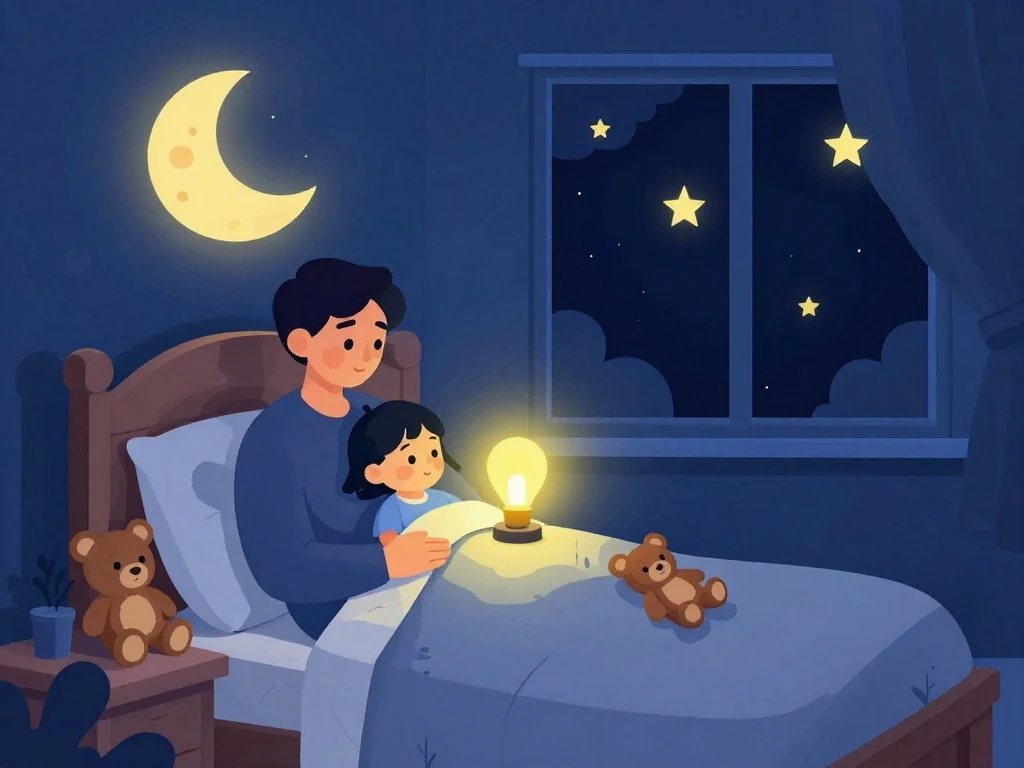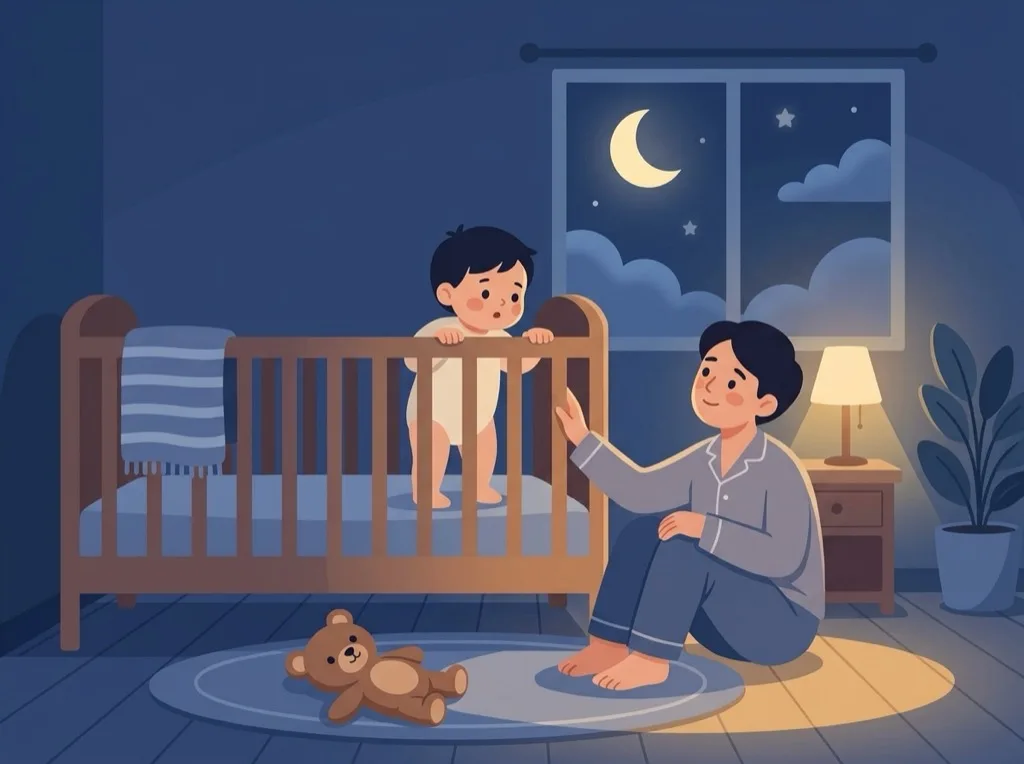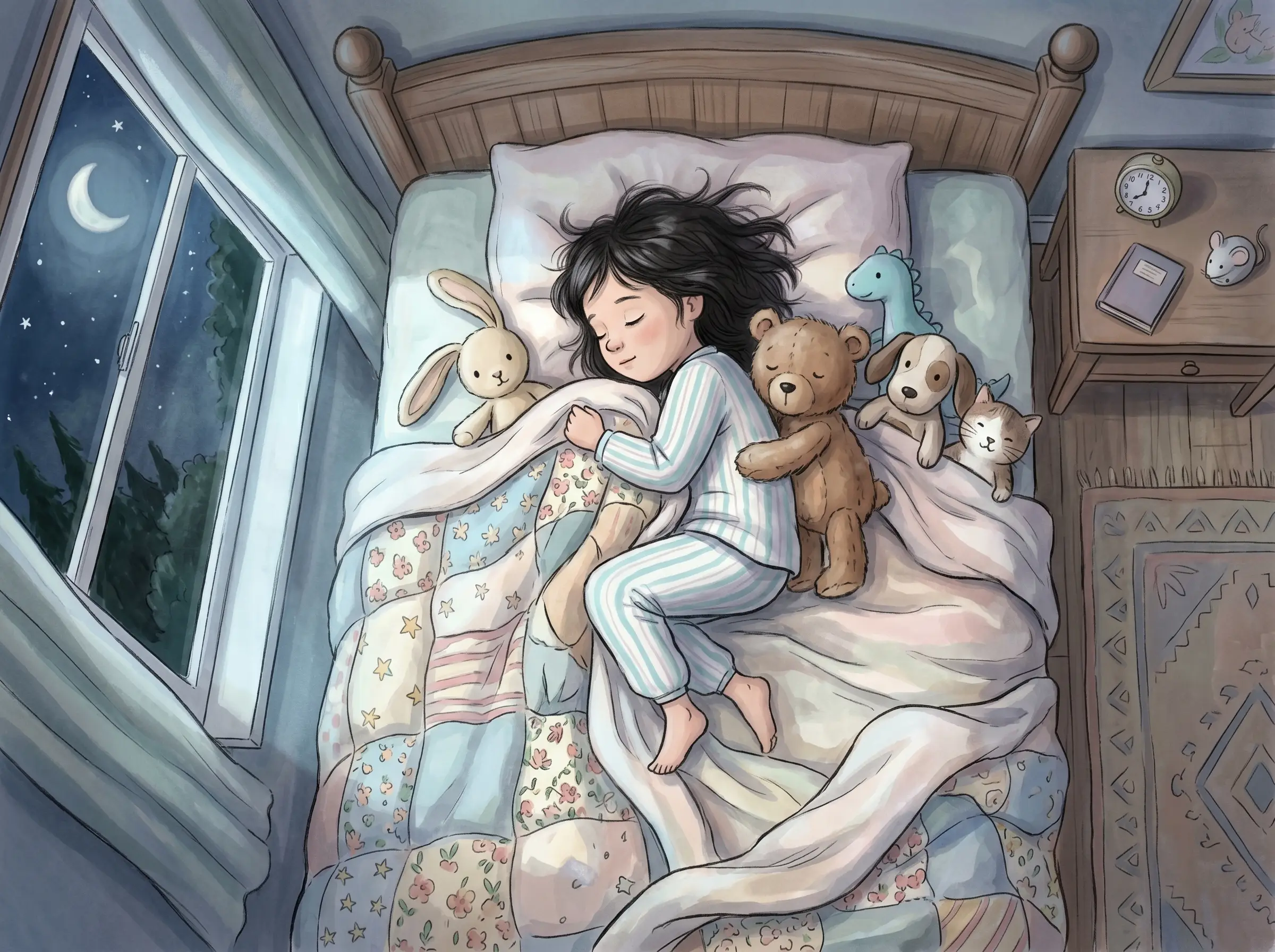
If bedtime in your home feels more like a battle than a blessing, you’re not alone. But here’s the good news: the perfect bedtime routine isn’t about perfection—it’s about predictability. And science shows that even small, consistent changes can transform your evenings.
Why Routines Matter: The Brain Science
Source: Sleep Medicine Reviews
Research published in Sleep Medicine Reviews demonstrates that consistent bedtime routines significantly reduce sleep onset latency—the time it takes to fall asleep. More importantly, they improve sleep quality throughout the night.
The reason? Rituals signal the brain to begin melatonin production and downregulate the stress-response system. When the body knows what to expect, it can prepare itself for rest.
“A predictable sequence of events tells the brain: ‘The day is ending, and safety is at hand.’”
The 4-Part Framework
Based on child development research, the perfect bedtime routine has four essential components:
1. The Wind-Down (20-30 minutes before)
Transition begins before the bedroom. Dim lights throughout the house. Lower voices. These environmental cues prime the nervous system for sleep.
Key elements:
- Reduce screen exposure (blue light suppresses melatonin)
- Offer a light snack if needed—complex carbs + protein (like whole-grain toast with almond butter)
- Gentle physical activity: stretching, yoga poses, or a calm walk around the house
2. The Hygiene Ritual (10-15 minutes)
Bath time isn’t just about cleanliness—it’s a sensory transition. Warm water raises body temperature slightly; the subsequent cooling mimics the natural temperature drop that induces sleepiness.
Pro tip: Lavender-scented products have modest but research-backed calming effects on the nervous system.
3. The Connection Window (15-20 minutes)
Source: Child Development Journal
This is the heart of the routine. Studies from the Child Development Journal show that positive parent-child interaction before bed improves both sleep quality and next-day emotional regulation.
The magic formula:
- Physical closeness: Cuddles release oxytocin
- Emotional review: “What was the best part of your day?” helps process experiences
- Storytelling: The narrative arc of a story provides cognitive closure to the day
4. The Sleep Cue (5 minutes)
A consistent final action signals the end of the routine. This could be:
- A specific phrase: “Goodnight, sleep tight, see you in the morning light”
- A song or lullaby
- A brief meditation or breathing exercise
The key is exact repetition. The brain learns to associate this cue with sleep onset.
Personalizing Your Routine
Source: National Sleep Foundation
While the framework is universal, the details should reflect your child’s temperament:
| Temperament Type | Routine Adjustment |
|---|---|
| High energy | Longer wind-down, more physical activity earlier |
| Anxious/worried | Longer connection window, include worry-release ritual |
| Highly sensitive | Lower sensory input, dimmer lights, softer voices |
| Slow-to-adapt | More warning before transitions, visual schedule |
Common Routine Mistakes
Even well-intentioned routines can backfire:
- Inconsistency: The routine must happen every night, not just weeknights
- Overstimulation: Wrestling matches and tickle fights raise cortisol
- Rushing: A hurried routine creates anxiety rather than calm
- Negotiation: Each night’s routine should be non-negotiable once established
The Role of Personalized Stories
Source: Pediatrics Journal
A Pediatrics study found that children who hear personalized stories (where they are the protagonist) show improved sleep quality compared to those hearing generic tales. The sense of agency and security carries into their dreams.
With HuggleTales, you can weave your child into adventures that end peacefully—with the hero drifting into sleep. Hearing their own name combined with your voice creates a powerful neurological cocktail of safety and belonging.
Troubleshooting: When Routines Fail
If your routine isn’t working:
- Check timing: Is bedtime too early (not tired) or too late (overtired)?
- Assess naps: Too much daytime sleep can sabotage nighttime
- Evaluate consistency: Are all caregivers following the same sequence?
- Consider the environment: Room temperature, noise levels, and comfort matter
The Long-Term Gift
A solid bedtime routine isn’t just about tonight’s sleep. Research shows that children with consistent bedtime routines show:
- Better emotional regulation
- Improved academic performance
- Stronger parent-child attachment
- Healthier sleep habits into adolescence
You’re not just putting your child to bed—you’re building the foundation for a lifetime of healthy rest.
Start Tonight
You don’t need to overhaul everything at once. Choose one element from each of the four framework components and implement them this week. Add more as consistency develops. Within a month, you’ll have a routine that transforms bedtime from chaos to calm.
And remember: the perfect routine is the one that works for your family, consistently applied with love.